
luglugalugaaen |

sea nav gua

form

GET YOUR FREE QUOTE

We will contact you within 24 hours.

How Three Port Plug Valves Control and Distribute Fluid Flow

Time: 6-February 2026 | Source: I-FLOW| Share

Multi-Directional Flow Control Capability

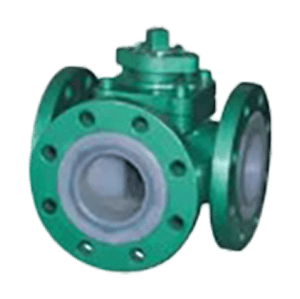
3-way plug valves allow operators to redirect or combine flow within a single valve body. By rotating the plug, the valve can switch flow direction, isolate lines, or mix fluids depending on system design.

Differences Between L-Port and T-Port Flow Behavior

In practical operation, L-port designs are often used for switching flow between two pipelines. T-port designs provide more versatility, allowing simultaneous flow paths or mixing functions, which is valuable in process systems requiring flexible routing.

Efficiency and System Performance Benefits

The simple rotating plug structure provides smooth flow transition and reduces turbulence. This contributes to stable system operation and helps maintain consistent process conditions.


Common Industrial Application Scenarios

3-way plug valves are widely used in petrochemical systems, marine piping networks, heating and cooling systems, and industrial processing lines where space-saving and multifunctional flow control are required.

Why Understanding Flow Characteristics Matters

Selecting the correct port configuration ensures proper system performance. Incorrect selection may lead to unwanted flow mixing, pressure imbalance, or inefficient operation.

Back To The List btn

Related News

What Makes Triple Eccentric Butterfly Valves So Versatile
6-February 2026

What Makes Triple Eccentric Butterfly Valves So Versatile

Triple eccentric butterfly valves are chosen when systems demand zero leakage, durability, and stable performance under challenging conditions. Their advanced sealing structure allows them to outperform conventional butterfly valves in severe-service applications.

View Details
What Makes Three Way Valve Different
6-February 2026

What Makes Three Way Valve Different

Unlike standard on-off valves, a three way valve controls flow between three pipeline connections instead of two. This unique structure allows it to redirect flow or blend fluids without requiring additional piping components.

View Details
Why Fire Sprinkler Systems Matter
6-February 2026

Why Fire Sprinkler Systems Matter

Fire sprinkler systems play a vital role in modern fire safety, offering automatic and reliable protection when a fire breaks out. Unlike manual firefighting methods, sprinklers react immediately to rising temperatures, helping control fires before they escalate into major disasters.

View Details
How To Properly Select and Operate Pressure Relief Valves for System Protection
6-February 2026

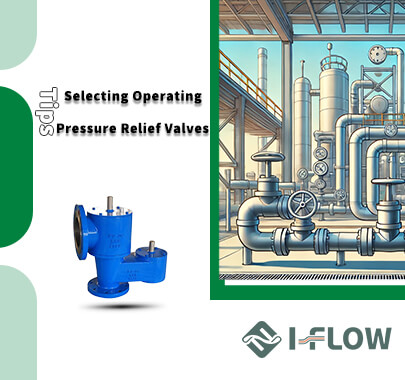
How To Properly Select and Operate Pressure Relief Valves for System Protection

Pressure relief valves are essential safety devices designed to prevent excessive pressure buildup in industrial systems. Proper selection and correct operation are key factors in maintaining regulatory compliance, equipment integrity, and operational safety.

View Details
Why Pinch Valves Are Ideal for Slurry and Abrasive
6-February 2026

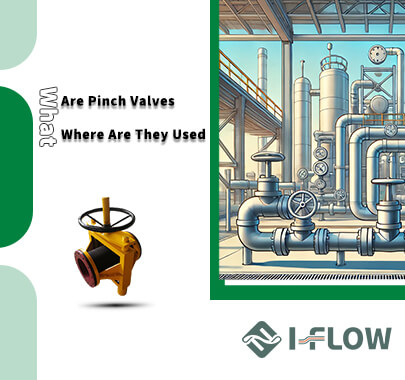
Why Pinch Valves Are Ideal for Slurry and Abrasive

Pinch valves are specifically engineered to handle fluids that are difficult for traditional valves, such as slurries, powders, and fluids containing solid particles. The flexible sleeve design eliminates internal obstructions that can trap debris.

View Details
The Role of Ball Float Valves in Efficient Liquid Level Management
28-January 2025

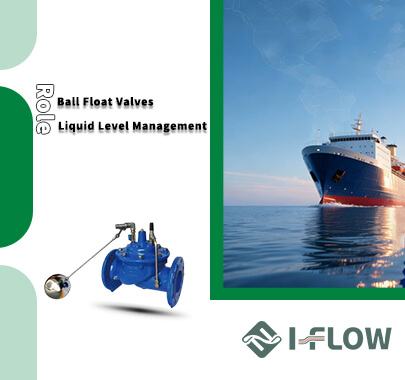
The Role of Ball Float Valves in Efficient Liquid Level Management

Ball float valves regulate liquid flow automatically by responding to changes in fluid level. This self-acting operation eliminates the need for sensors, electrical power, or complex control systems.

View Details